
happy777 - The Complex World of Jueteng in the Philippines
Explore the enduring phenomenon of Jueteng, the illegal numbers game in the Philippines. Discover its socio-economic impacts, the role of local collectors, and the intertwining of culture and politics in this underground gambling tradition.
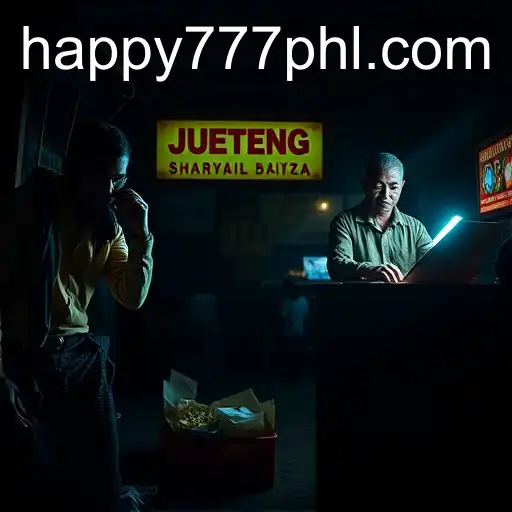
Understanding Jueteng: The Illegal Numbers Game in the Philippines
Jueteng, a term you might not be familiar with unless you've explored the cultural and socio-economic landscape of the Philippines, is an illicit numbers game that has long been part of Filipino life. Despite its illegal status, the game continues to thrive in various regions across the country, ingraining itself into everyday social interactions. Within the world of Jueteng, players harbor the hope of transforming small bets into substantial gains, making the game exceedingly popular among individuals seeking economic relief.
The Mechanics of Jueteng
The simplicity of Jueteng contributes significantly to its widespread appeal. The game revolves around betting on combinations of numbers, usually between 1 and 37. Conducted on a daily basis, the draw includes selecting winning numbers from a container filled with numbered balls. Players choose their numbers, often based on dreams, superstitions, or events from their everyday lives, and place their bets through local collectors known as "kubradors." These bets are then relayed to the "cobrador," an individual responsible for organizing and managing the logistical framework of the game.
The allure of Jueteng lies in the odds and payout potential, positioning it as an attractive gambling activity despite its legality issues. The game's informality allows players to bet minimal amounts, opening it up to a broader audience, including low-income sectors of society.
The Role of Kubradors and Cobradors
Integral to the operation of Jueteng are the kubradors and cobradors, the foot soldiers in the hierarchy of this underground game. Kubradors earn a minimal commission for gatherered bets, while cobradores oversee regional operations, compiling the wagers for larger comparison and payout at the strategic center of management often referred to as "jueteng lords." Not only do these individuals facilitate the day-to-day functioning of the game, but they also form the bridge between local communities and the more obscured, powerful figures who ultimately control the operations.
Social and Economic Impact of Jueteng
In many rural and urban communities, Jueteng is more than just an illegal gambling event; it carries social significance, creating jobs and supplementing incomes for those involved. For some, it acts as an alternative source of financial support, reflecting the economic challenges pervasive in certain areas. However, its presence also perpetuates a cycle of dependency, as many betters invest part of their daily earnings, hoping to alleviate their fiscal situations despite the gamble's unpredictability.
From an economic standpoint, the continued popularity of Jueteng indicates systemic failures and challenges in addressing the socio-economic fabrics that drive citizens towards these betting syndicates. Its widespread existence not only exposes enforcement weaknesses but also highlights the lack of legal alternative avenues for citizens looking for quick economic avenues.
Legal and Political Implications
The illegality of Jueteng in the Philippines is punctuated by the complexities and intricacies of enforcement. Attempts to banish the game through legal means frequently face hurdles, as officials often wrestle with high-level corruption that intertwines politics with gambling interests.
Jueteng thrives partially due to these political alliances, creating a protective shield that has allowed operations to carry on boldly, despite several public crackdowns. In any given community, rumors of officials or local police turning a blind eye or receiving inducements from organizers are unfortunately common, hampering eradication efforts.
Despite the illegal status set by the government, periodic crackdowns and police campaigns have met with limited success. More often than not, enforcement efforts are met with skepticism by the public, who may see them as politically motivated instead of genuine attempts to address corruption and gambling's societal impacts.
The Cultural Legacy of Jueteng
Beyond socio-economic and legal realms, Jueteng holds a cultural significance rooted deep in the Filipino psyche. For many, participating in this numbers game represents optimism, an embodiment of hope that their lucky numbers could lead to unexpected enrichment. This cultural entrenchment makes Jueteng more pervasive and, concurrently, more resilient to absolute termination.
The numbers game’s integration into household conversations and community narratives gives it a quaint, folklorish allure that bolsters its cultural persistence. It has even permeated literature, film, and media, becoming a symbol in stories that encapsulate the aspiration and struggles of everyday Filipinos.
Alternative Solutions and the Road Ahead
While the challenges surrounding Jueteng are significant, some propose solutions beyond simple suppression. Transforming Jueteng into a state-managed enterprise akin to official lotteries is one suggestion, offering the game as a regulated prospect while redirecting profits towards public services or charities, to counter the indivisible association with crime and underhand politics.
Furthermore, allocating resources for community development and financially inclusive programs could offer practical alternatives to residents who may see little choice outside of Jueteng participation for financial remedies. Implementing focused educational campaigns to elevate understanding of gambling and its risks may also play a part in dismantling the entrenched cultural ties that feed into its allure.
In light of ongoing challenges, strengthening governance structures to promote better transparency and accountability, particularly in regions where Jueteng operates brazenly, may help in closing the gaps that allow its pervasive presence. Collaborative community policing that engages trusted local influencers alongside formal law enforcement might be key to rebuilding trust and effectively combating the pillars that support the Jueteng syndicates.
Ultimately, the discussion around Jueteng reflects broader issues at the intersection of poverty, culture, governance, and resilience. However, understanding and addressing its roots and sustainable alternative solutions remain key to shaping a future where the game's temptations do not unduly overshadow the socio-economic welfare and integrity of communities across the nation.








GOLD VIP
Minimum deposit: ₱1,500
- ✅ 150% bonus on all deposits
- ✅ Priority withdrawal in 1 minute
- ✅ 10% cashback weekly
- ✅ VIP support 24/7
- ✅ Higher betting limits
PLATINUM VIP
Minimum deposit: ₱6,000
- ✅ 200% bonus + all Gold benefits
- ✅ Instant withdrawal 24/7
- ✅ 15% cashback weekly
- ✅ Exclusive VIP table in casino
- ✅ Special event invitations
DIAMOND VIP
Minimum deposit: ₱30,000
- ✅ 300% bonus + all previous benefits
- ✅ Dedicated personal manager
- ✅ 20% cashback weekly
- ✅ Unlimited withdrawal limits
- ✅ Exclusive trips and gifts
🚀 Register NOW and Get ₱15,000 Bonus!
⏰ LIMITED TIME OFFER! Join over 1.2 million players who have already discovered why happy777 is the #1 betting platform in the Philippines. Registration in 30 seconds, first withdrawal in 2 minutes!
💬 What our players say
"Best platform I've ever used! GCash withdrawal in 2 minutes, amazing support!"
- Carlos M., Manila ⭐⭐⭐⭐⭐
"Won ₱45,000 on Gates of Olympus! They paid everything correctly via GCash."
- Ana L., Cebu ⭐⭐⭐⭐⭐
"VIP system is amazing! I have a personal manager and cashback every week."
- Roberto S., Davao ⭐⭐⭐⭐⭐
PAGCOR License
SSL 256-bit
eCOGRA
BSP Approved